
An Arteriovenous Fistula is a surgically created connection between an artery and a vein, commonly used in patients undergoing hemodialysis for kidney failure. This access point allows high blood flow, making dialysis treatments more effective and safer. The Arteriovenous Fistula is preferred over other types of vascular access due to its durability, lower infection risk, and long-term reliability. Typically placed in the arm, it requires a few weeks to mature before use. Proper care is essential to prevent complications. For individuals with chronic kidney disease, an Arteriovenous Fistula is truly a lifeline, offering efficient and sustainable treatment support.
Table of Contents
What is an Arteriovenous Fistula?
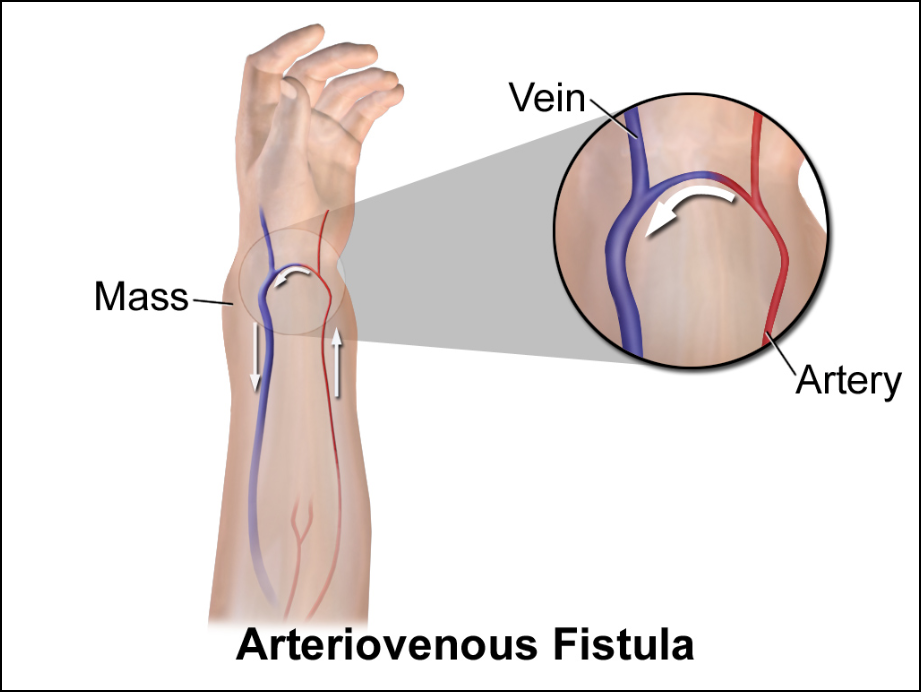
An Arteriovenous Fistula (AV fistula) is a surgically created connection between an artery and a vein, typically in the arm. This procedure is commonly performed in patients with chronic kidney disease who require long-term hemodialysis.
By connecting an artery (which carries blood away from the heart) directly to a vein (which returns blood to the heart), the vein becomes stronger and thicker due to increased blood flow. This makes it easier and safer to insert dialysis needles and allows for the high-volume blood flow needed during dialysis sessions.
Because it’s natural (using the patient’s own vessels) and has a lower risk of infection or clotting, an Arteriovenous Fistula is considered the most preferred and durable type of vascular access for dialysis.
Why is an AV Fistula Important for Dialysis?
An Arteriovenous Fistula plays a critical role in the success and safety of long-term hemodialysis for patients with chronic kidney disease. It serves as a reliable and durable access point to the bloodstream, allowing for efficient removal and return of blood during dialysis sessions.
Unlike catheters or grafts, an AV fistula for dialysis is created using the patient’s own blood vessels, making it less prone to infections and clotting. It offers better blood flow, which means shorter and more effective dialysis treatments, leading to improved patient outcomes.
Because of its longevity, low complication rate, and high functionality, the arteriovenous fistula is considered the gold standard for dialysis vascular access.
How is an Arteriovenous Fistula Created?
The creation of an Arteriovenous Fistula (AV fistula) is a minor surgical procedure performed by a vascular surgeon to prepare a reliable access site for hemodialysis. During the procedure, an artery and a vein are surgically connected, usually in the forearm or upper arm.
Here’s how it works:
- The surgeon makes a small incision to expose an artery and a nearby vein.
- These vessels are then joined, allowing high-pressure arterial blood to flow directly into the vein.
- Over several weeks, this vein enlarges and strengthens—a process called maturation—so that it can handle the high flow rates required for dialysis.
The procedure typically takes 1 to 2 hours and is done on an outpatient basis under local anesthesia.
Healing and Maturation Period
After the surgical creation of an Arteriovenous Fistula (AV fistula), the body needs time to adapt and strengthen the fistula before it can be used for hemodialysis. This crucial phase is known as the maturation period.
Typically, it takes about 6 to 12 weeks for the fistula to heal and mature. During this time:
- The connected vein enlarges and thickens due to the increased blood flow from the artery.
- The vein becomes more resilient and visible under the skin, allowing easy needle access for dialysis.
- The medical team will monitor the fistula’s development through physical exams or ultrasound to ensure proper blood flow and functionality.
In some cases, additional procedures may be needed to help the fistula mature fully.
Benefits of Using an AV Fistula
An Arteriovenous Fistula (AV fistula) is widely recognized as the best vascular access for patients undergoing long-term hemodialysis. It offers several advantages over catheters and synthetic grafts, making it the first choice for dialysis access.
✅ Top Benefits of AV Fistula:
- High Blood Flow Rate
AV fistulas provide strong, consistent blood flow, which allows for efficient dialysis sessions with better clearance of toxins from the body. - Lower Risk of Infection
Since the fistula uses the patient’s own blood vessels (no foreign material), it has a much lower infection rate compared to catheters and grafts. - Fewer Clotting Issues
AV fistulas are less likely to clot or become blocked, reducing interruptions in dialysis treatment. - Longer Lifespan
With proper care, an AV fistula can last many years, making it the most durable form of vascular access. - Improved Patient Outcomes
Patients with AV fistulas generally experience fewer hospitalizations, better dialysis results, and improved quality of life
Risks and Complications of an Arteriovenous Fistula
While an Arteriovenous Fistula (AV fistula) is considered the safest and most effective dialysis access, it’s not entirely free from risks. Like any surgical procedure or vascular access, AV fistulas may develop complications over time, especially without proper monitoring and care.
🚨 Common Risks & Complications:
- Steal Syndrome
A rare condition where too much blood is diverted through the fistula, reducing blood flow to the hand. Symptoms may include cold fingers, numbness, pain, or even tissue damage. - Aneurysm Formation
Repeated needle insertions can weaken the vessel wall, causing a bulge or aneurysm, which may rupture if not monitored. - Infection
Though rare, infections can occur at the access site, especially with poor hygiene. This can be serious and may require antibiotics or surgical intervention. - Thrombosis (Clotting)
Blood clots can block the AV fistula, making it unusable for dialysis. Early detection is key to prevent complete blockage. - Bleeding
Prolonged bleeding after needle removal or spontaneous bleeding can happen if the access site is not handled properly. - Failure to Mature
Sometimes, the fistula may not develop enough to support dialysis, requiring revision surgery or alternative access
Caring for Your Arteriovenous Fistula
Proper care of your Arteriovenous Fistula (AV fistula) is essential to ensure it stays healthy, functional, and free from complications. Since the fistula is your lifeline for dialysis, following daily care routines and precautions can significantly increase its lifespan and effectiveness.
Essential AV Fistula Care Tips:
- Keep the Area Clean and Dry
Wash the fistula site daily with soap and water. Before each dialysis session, ensure it’s clean to prevent infections. - Avoid Pressure on the Arm
Don’t let anyone:- Take blood pressure
- Draw blood
- Place IVs
on the arm with the fistula.
- Check for Thrill Daily
Place your fingers over the fistula and feel for a gentle buzzing or “thrill” — a sign that blood is flowing properly. Report absence of thrill immediately. - Avoid Heavy Lifting or Tight Clothing
These can compress the fistula and affect blood flow. - Rotate Needle Sites
During dialysis, the technician should use different sites (rope ladder technique) to avoid weakening one area of the vein. - Report Any Changes Watch for signs like:
- Swelling
- Redness
- Pain
- Prolonged bleeding
Report these symptoms to your dialysis center or vascular surgeon right away.
Conclusion
An Arteriovenous Fistula is more than just a surgical procedure—it’s a lifeline for patients undergoing regular dialysis. Its long-term reliability and low complication rate make it the best option for vascular access. With the right care, an AV fistula can provide years of successful dialysis treatments.