Introduction to Vascular Surgery
Vascular surgery is a specialized surgical discipline focused on treating disorders of the vascular system, including arteries, veins, and lymphatic vessels. This field has evolved significantly with advances in both open surgical techniques and minimally invasive endovascular procedures.
Vascular surgeons are trained to diagnose and manage a wide range of conditions affecting blood circulation throughout the body, from the carotid arteries in the neck to the peripheral arteries in the legs.
Vascular Anatomy
Arterial System

Major arteries of the human body.
Venous System

Venous structure
Arterial Wall Structure
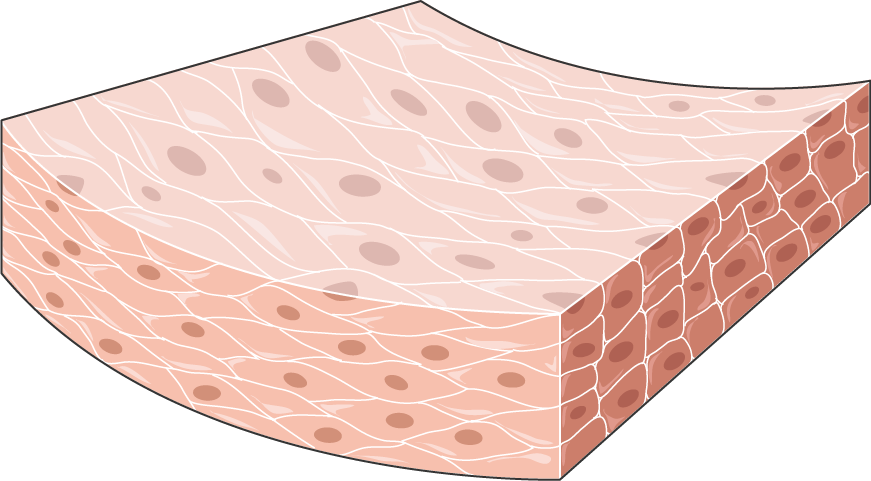
Cross-section of an artery showing the three layers
Common Vascular Disorders
Peripheral Artery Disease (PAD)
PAD occurs when plaque builds up in the arteries that supply blood to the limbs, most commonly the legs. This narrowing of arteries (atherosclerosis) reduces blood flow, causing symptoms such as:
- Leg pain during walking (claudication)
- Numbness or weakness in the legs
- Coldness in lower leg or foot
- Non-healing sores on toes, feet, or legs

Progressive atherosclerotic plaque formation in an artery.
Aneurysms
An aneurysm is a bulging, weakened area in the wall of a blood vessel. Common types include:
- Abdominal aortic aneurysms (AAA)
- Thoracic aortic aneurysms
- Peripheral aneurysms (popliteal, femoral)
- Cerebral aneurysms

Illustration of an aortic aneurysm.
Carotid Artery Disease
Narrowing of the carotid arteries in the neck due to plaque buildup, which increases the risk of stroke.

Atherosclerotic plaque in the carotid artery.
Venous Disorders
- Deep vein thrombosis (DVT)
- Chronic venous insufficiency
- Varicose veins
- Venous ulcers

Illustration of varicose veins.
Vascular Pathophysiology
Vasodilation and Vasoconstriction
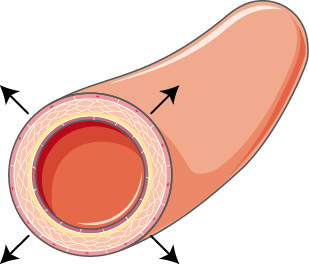
Mechanism of vasodilation in blood vessels.
Atherosclerotic Progression

Progressive stages of atherosclerosis.
Negative Remodeling
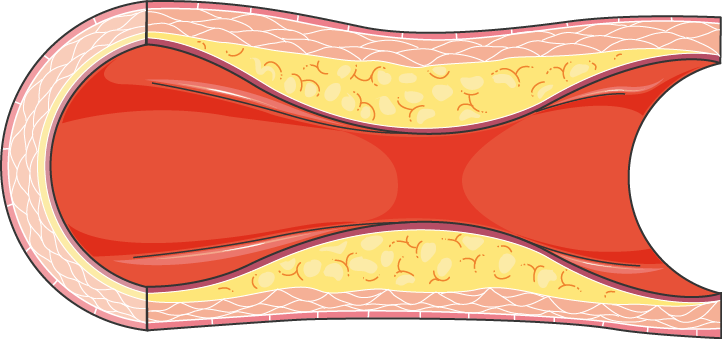
Illustration of negative arterial remodeling.
Diagnostic Procedures
Non-invasive Vascular Testing
- Duplex Ultrasound: Uses sound waves to create images of blood vessels and measure blood flow
- Ankle-Brachial Index (ABI): Compares blood pressure in the ankle to blood pressure in the arm
- Pulse Volume Recording (PVR): Measures changes in blood volume in the limbs
Advanced Imaging
- CT Angiography (CTA): Uses computed tomography with contrast to visualize blood vessels
- Magnetic Resonance Angiography (MRA): Uses magnetic fields and radio waves to create detailed images of blood vessels
- Digital Subtraction Angiography (DSA): An invasive procedure where contrast is injected directly into blood vessels
Surgical Techniques and Procedures
Endovascular Procedures
- Angioplasty and Stenting: Widening narrowed arteries using a balloon and placing a mesh tube to keep the artery open

Illustration of angioplasty and stent placement.
- Endovascular Aneurysm Repair (EVAR/TEVAR): Placement of a stent graft to reinforce weakened arterial walls
- Thrombectomy/Embolectomy: Removal of blood clots from vessels
- Thrombolysis: Dissolution of blood clots using medication
Open Surgical Procedures
- Bypass Surgery: Creating a detour around a blocked artery using a graft (synthetic or autologous vein)

Illustration of arterial bypass surgery.
- Endarterectomy: Removal of plaque from inside an artery
- Open Aneurysm Repair: Replacing the weakened section of an artery with a synthetic graft
- Arteriovenous Fistula Creation: For hemodialysis access
Venous Procedures
- Vein Ablation: Using laser or radiofrequency energy to close problematic veins
- Sclerotherapy: Injection of a solution to close small varicose veins
- Phlebectomy: Removal of varicose veins through small incisions
Patient Care and Recovery
Preoperative Care
- Comprehensive vascular assessment
- Risk factor modification
- Medication management
- Smoking cessation
Postoperative Care
- Wound care and infection prevention
- Activity guidelines
- Pain management
- Follow-up vascular studies
Rehabilitation
- Supervised exercise programs
- Physical therapy
- Lifestyle modifications
- Long-term vascular health maintenance
Technological Advances in Vascular Surgery
Imaging and Navigation
- 3D vascular mapping
- Fusion imaging technology
- Intravascular ultrasound (IVUS)
Device Innovation
- Branched and fenestrated endografts
- Drug-eluting stents and balloons
- Bioabsorbable stents
- Covered stents for complex lesions
Conclusion
Vascular surgery continues to evolve with technological advancements and improved understanding of vascular disease pathophysiology. The field increasingly emphasizes minimally invasive approaches while maintaining open surgical expertise for complex cases. Patient-centered care remains at the core of vascular surgical practice, with comprehensive management extending from prevention through long-term follow-up.
Translate »